
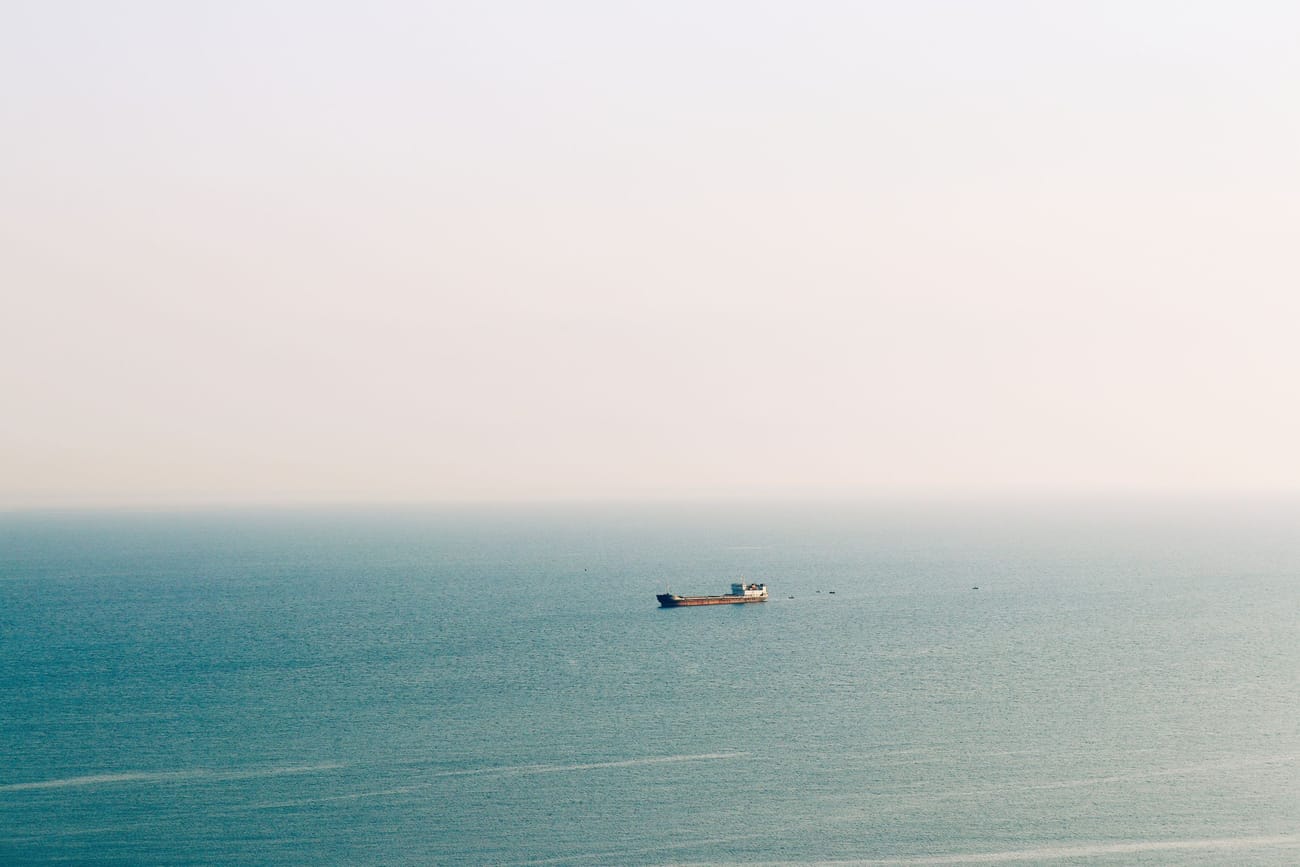

Good morning, and welcome to the weekend. This letter is longer than usual, because today we open our first special issue: Chokepoints.
A container leaving Shanghai for Rotterdam passes through at least four narrow places on the way: the Strait of Malacca, the Bab el-Mandeb, the Suez Canal and the Strait of Dover. Close any one of them and the box still arrives, but later, dearer and by a longer road. Over the next week we are publishing stories about those places, the ships that pass through them and the people who plan around them.
The narrow places
The issue opens with a tour. Chokepoints: the narrow places that carry a third of everything goes strait by strait, from Hormuz to the Bosporus, with the traffic each one carries, what has closed it before and where ships go when it shuts. The figures are approximate, and we say so; the geography is not.
What struck me while editing it is how little room there is. At its narrowest the Strait of Hormuz leaves ships two lanes a few kilometres wide, one in and one out. The Bosporus bends so sharply that big tankers pass it in daylight only. These are not abstract risks on a map. They are specific stretches of water where one grounded ship stops the traffic behind it.
Ninety days with one box
If you missed it, Maren Okafor's long read followed a single container from a furniture factory to a warehouse in Europe and back again, empty. It passes through three of the chokepoints in this issue, and waits at two of them. It is the best way I know to feel what a closure costs.
When the lake runs low
Early next week, Maren turns to the Panama Canal, which runs on rainwater. Her explainer shows how a mid-size carrier plans a year of sailings around the dry season: draught limits, booking slots and the spare days it builds into every loop. It is the least dramatic chokepoint in the issue and, for the planners who deal with it, the most predictable: they know the dry months are coming, and the question is only how dry.
Ports are infrastructure
Also next week, our columnist Ruth Abernathy argues that ports should price their busiest hours the way roads and airports already do. Expect letters. We will print the best of them.
Figure of the week
8: the chokepoints our tracker counts every morning. The river in this issue is not among them, because river traffic is counted at the locks, not by lines drawn across the water. Kenji Arakawa explains the difference on the tracker's page.
Have a good weekend, and read slowly.
Leila Farahani, trade policy





Discussion