

For most of the history of the copper trade, the arrangement was simple. A mine sends its concentrate, a grey powder that is about a quarter copper, to a smelter, and the smelter charges a fee for turning it into metal. This summer the fee went negative. In the spot market, several smelters are now effectively paying miners for the right to process their ore.
That is the finding of Break's quarterly survey of twelve smelters in Asia, Europe and South America, which puts the average spot treatment charge at minus $9 a tonne of concentrate, down from $78 a year ago. None of the plant managers we spoke to expects to make money on that fee. Most of them still intend to keep their furnaces full.
What a treatment charge is
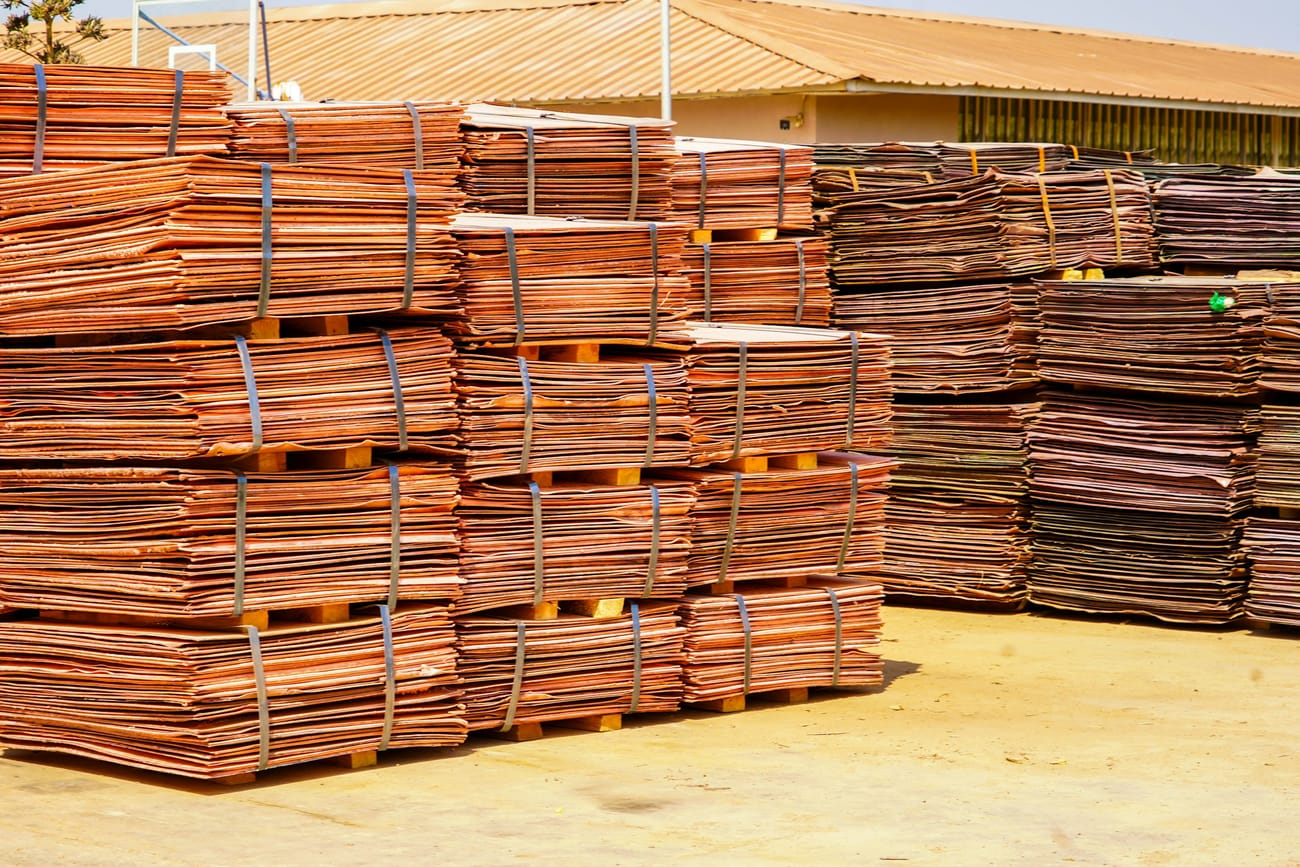
Smelters earn two fees. The treatment charge, quoted in dollars per tonne of concentrate, pays for melting it. The refining charge, quoted in cents per pound of copper, pays for turning the resulting blister copper into cathode, the flat pink sheets that end up in wire. Together they are the smelter's income. The copper itself belongs to the miner and is paid for at the market price, minus those fees.
The fees are a market like any other. When concentrate is plentiful, miners compete for smelting capacity and pay more. When it is scarce, smelters compete for concentrate and accept less. What has changed is how far the second case has run.
Below zero
Inés Carmona buys concentrate for Vireo Metals, a mid-sized smelter on a southern coast. She described a tender last month in which a Peruvian-registered trader offered 30,000 tonnes and received eleven bids, four of them below zero. "Five years ago I would have been the one waiting by the phone," she said. "Now the mine's sales team takes my call when it suits them."
A smelter that accepts a negative fee has done a different sum: it expects the by-products, and the cost it avoids by keeping a furnace hot, to outweigh a loss on the processing itself.
Too many furnaces
The root cause is simple arithmetic. Smelting capacity is cheaper and faster to build than a mine. In our survey, planned smelter capacity for the next three years exceeds the concentrate that existing and approved mines are expected to produce by around 1.4 million tonnes of copper content. New mines take a decade from discovery to first ore. A smelter can go from ground-breaking to first anode in three years, and several have.
Disruptions at the mine end have made it worse. A strike, a flooded pit or a single blocked mountain road removes tonnes from a market that has none to spare.
Living off by-products
What keeps the furnaces running is everything else in the concentrate. Every tonne of copper smelted yields around three tonnes of sulphuric acid, which fertiliser plants and leaching operations buy at prices that have risen by half in a year, according to the same survey. Gold and silver carried in the concentrate are recovered in the refinery and sold at prices close to record highs.
Henrik Lund, the operations director of Kestrel Smelting, which runs a plant on a Norwegian fjord, walked us through his figures. On a tonne of copper, he is losing about $60 on the fee and making about $140 on acid and precious metals. "Ten years ago the acid was a nuisance we paid to take away," he said. "Now it is the reason the lights are on."
Now it is the reason the lights are on.
Who blinks first
Something has to give. Three of the twelve smelters in our survey have scheduled maintenance shutdowns earlier than usual, which reduces demand for concentrate without anyone announcing a cut. Two are trying to lock in annual contracts at a small positive fee, betting that miners prefer certainty over a few dollars. The rest are waiting for new mines that, on current plans, will not arrive in volume for several years.
For copper buyers, the squeeze matters more than it looks. If smelters close, refined metal gets tighter even when mines are producing. That is one reason the copper price has held up better than the gloomier forecasts expected, a point we made in The Copper Price Nobody Believed. Carmona put it more bluntly. "Everyone is short of the same grey powder," she said. "The fee just tells you how short."





Discussion