
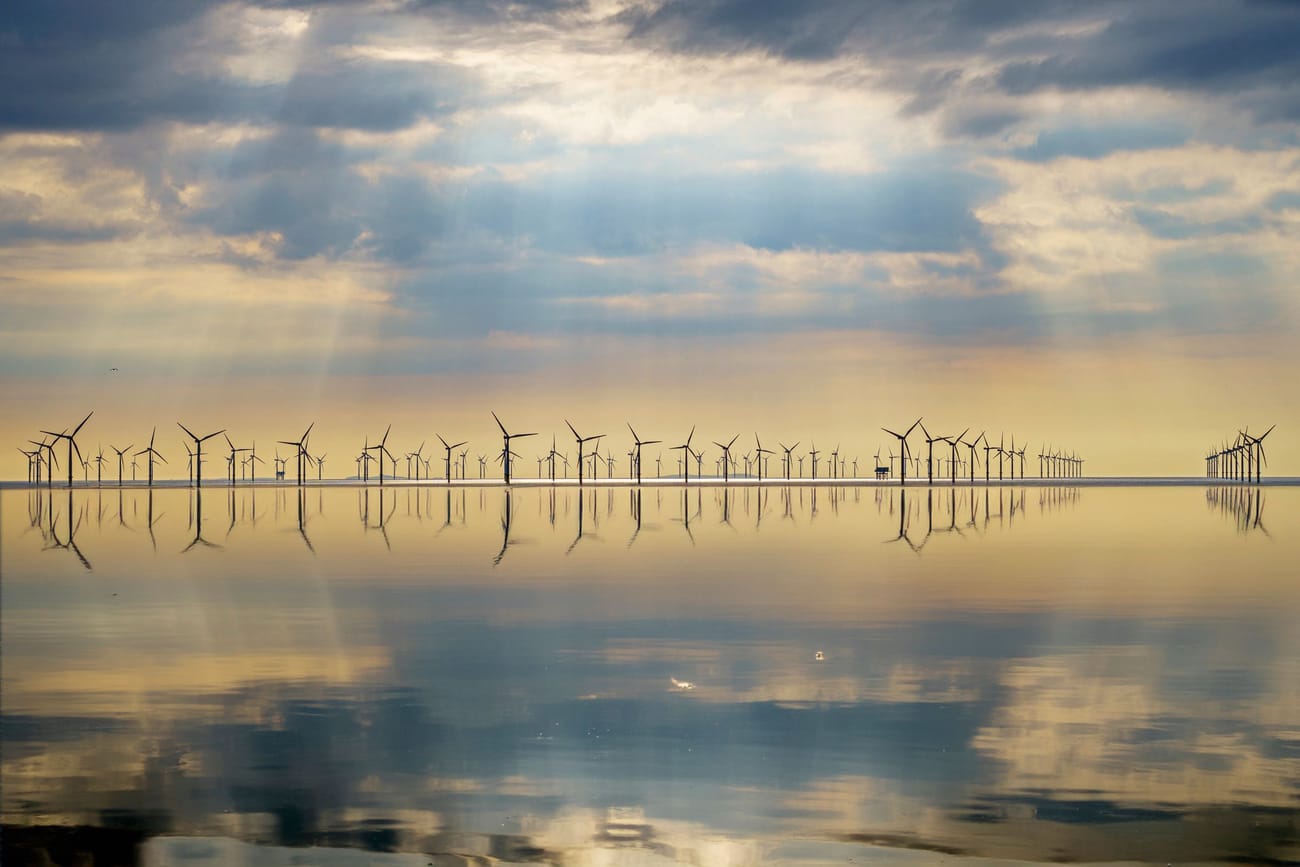

To put a 15-megawatt turbine on the seabed you need a ship that can stop being a ship. It sails to the site, lowers four steel legs, each longer than a football pitch, and jacks its hull clear of the waves. Then a crane lifts a nacelle twice the weight of a loaded jumbo jet to a hub 150 metres above the sea.
There are not many of these vessels. By the count of Seaworth Offshore, a broker in Aberdeen, 14 ships outside China can install the largest turbines now being ordered, and only nine of them are free to work in European waters in any given year. Developers are learning that the constraint on offshore wind is increasingly afloat.
A ship that stands up
A jack-up installation vessel is a floating steel platform with a crane and a set of legs. Once on site, hydraulic or rack-and-pinion jacks drive the legs into the seabed and lift the hull until it stands still, whatever the sea is doing. A floating crane rolls and heaves. A jack-up does not, and that stillness is what makes it possible to bolt a blade to a hub at the height of a cathedral spire.
The trade-off is depth. The legs set the limit. A vessel with 90-metre legs can work in about 50 metres of water; the newest projects sit farther out, in deeper water, on harder ground.
Turbines outgrew the fleet
Ten years ago, a large offshore turbine produced 6 megawatts and its nacelle weighed about 360 tonnes. The machines being ordered for projects due later this decade are rated at 15 megawatts or more, with nacelles around 800 tonnes and blades of 115 metres.
Cranes that fell short
Most of the fleet was designed for the smaller machines. Several vessels have had their cranes replaced; others have simply dropped out of the market for the largest turbines. "A crane upgrade buys you one generation," said Fraser Mowat, a partner at Seaworth. "The turbine makers have been moving a generation every three years."
Decks that hold fewer sets
A bigger turbine also means fewer of them per trip. A vessel that once carried eight complete turbine sets from port now carries four or five, and makes more round trips to install the same capacity.
Day rates follow the shortage
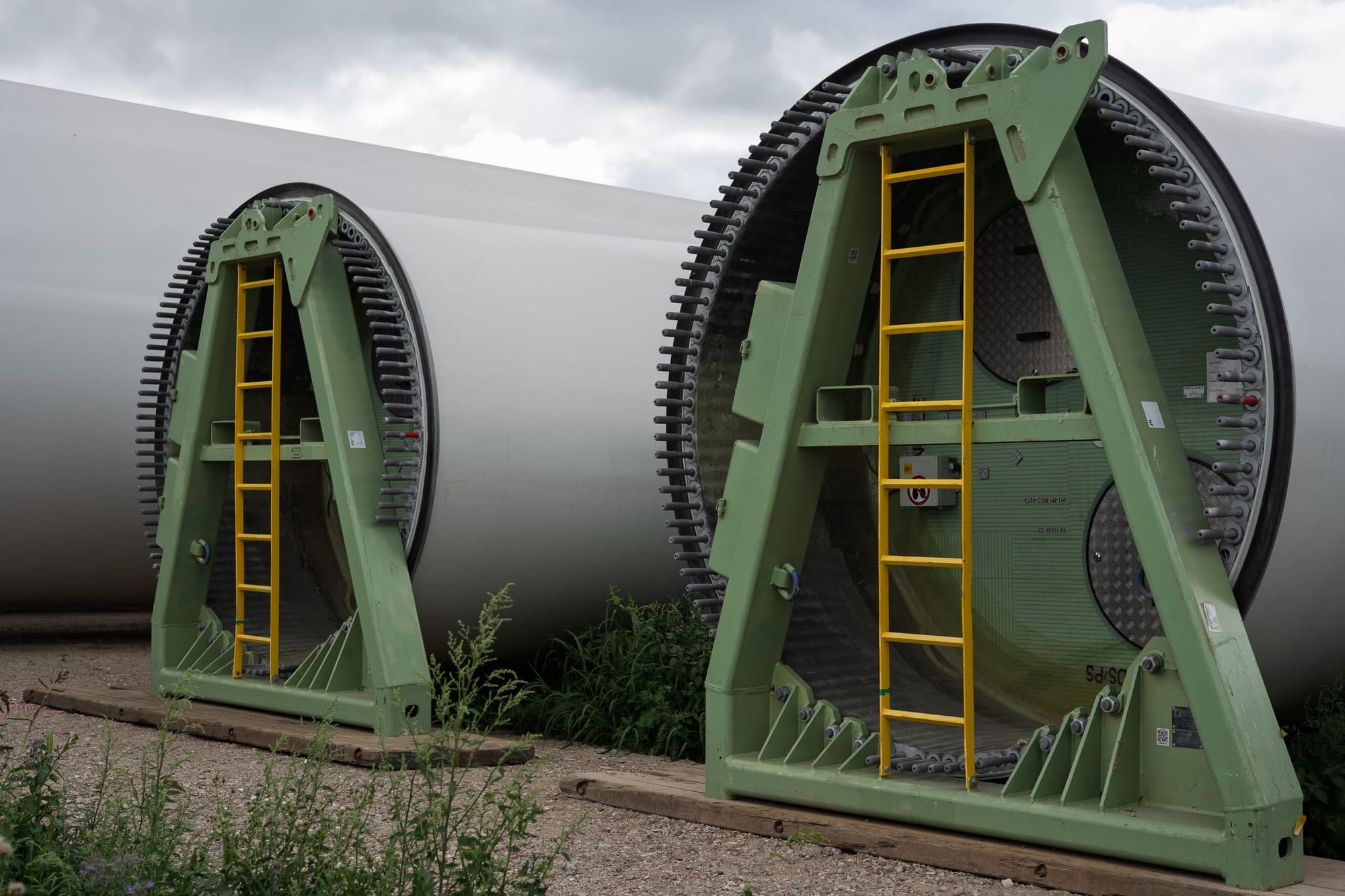
Seaworth's records show day rates for the largest installation vessels at about €180,000 three years ago. The fixtures it recorded this year averaged €310,000, with two contracts for campaigns later in the decade above €350,000. A typical installation campaign runs for six to nine months.
A turbine without a ship is a very expensive sculpture on a quay.
Henrik Aas, marine logistics lead at Skagen Offshore Wind, said his company booked vessel time for a project in the German Bight before it had chosen a turbine. "We reserved the ship first. The turbine had to fit the ship, not the other way round."
Inside the Szczecin dry dock
On the Oder river in Szczecin, the Oderline yard is building two jack-ups for Halden Marine Installation, a Norwegian-owned operator that has chartered its existing pair of vessels solidly for four years. The first hull, Halden Longstride, sits in the dry dock in 38 pieces welded into one; the second is being assembled in blocks on the slipway beside it.
Katarzyna Wilk, Oderline's project director, walks the dock bottom in a hard hat with a laminated schedule clipped to her jacket. "The hull is ordinary shipbuilding. The legs are not," she said. "Everything we do this year is about being ready for the legs."
Legs, cranes and steel
Each vessel will have four legs of 126 metres, fabricated in sections by a specialist supplier and lifted into the hull's leg wells at the yard. The main crane lifts 3,200 tonnes. The deck, 5,800 square metres, is designed to carry five complete sets of 15-megawatt turbines.
The pair will cost about €340 million each, according to people familiar with the contract. The Longstride is due for sea trials in about eighteen months; her sister follows six months later.
Waiting for a slot
Two new vessels will not end the shortage. Seaworth expects demand for installation days in European waters to exceed supply for at least four more years. Developers are splitting campaigns, moving foundations onto cheaper floating cranes, and asking turbine makers to deliver machines in pieces that smaller vessels can lift.
Mr Aas has a spreadsheet of every jack-up in Europe, with colours for booked, maintenance and free. "Most of it is red," he said. "I check it more often than the wind forecast." The same pressure is reshaping the cargo side of the transition; see the solar modules waiting in bond and the rest of the energy desk.





Discussion