
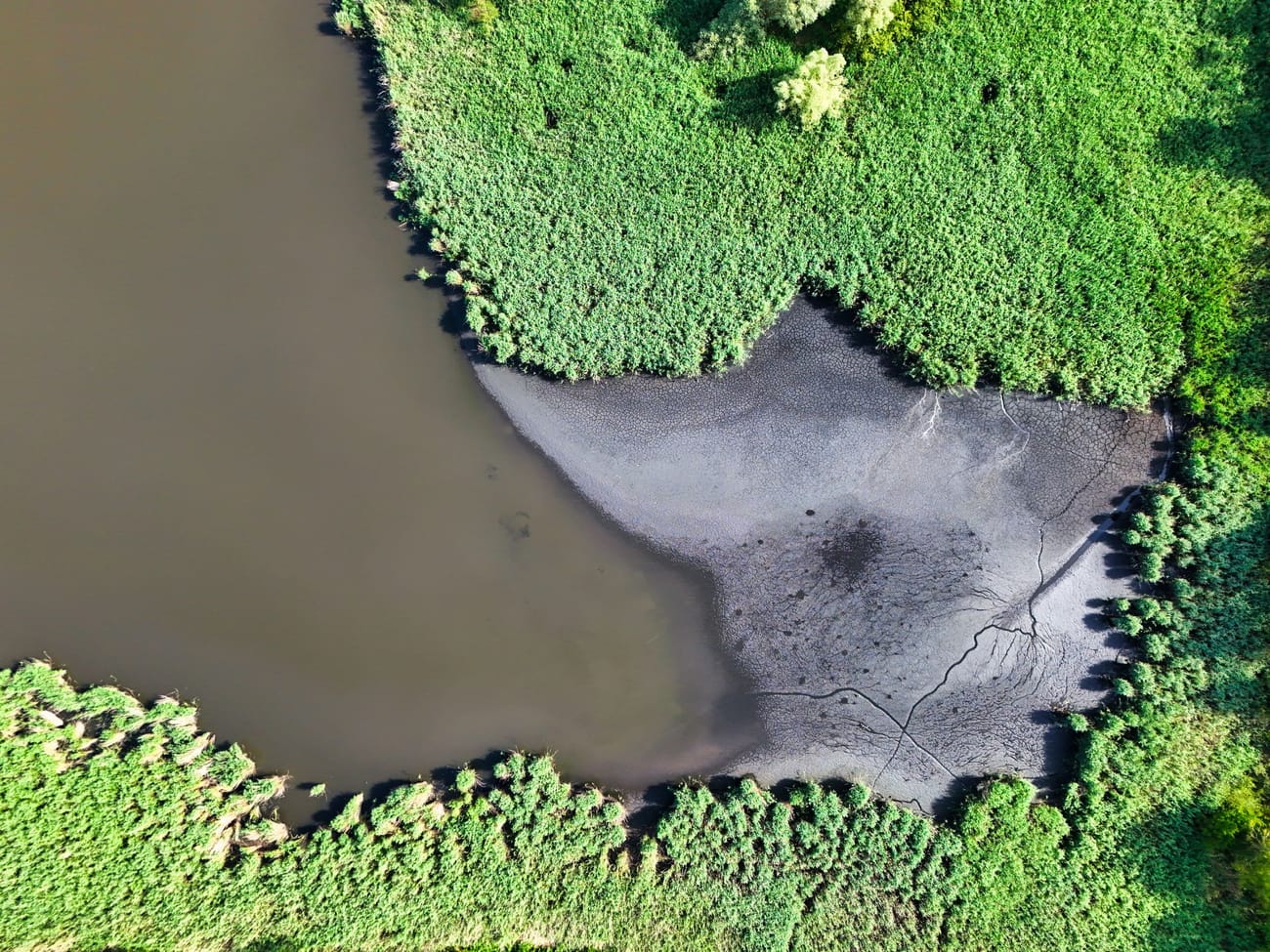

Captain Eduardo Quintero has guided ships through the Panama Canal for 19 years, and for most of them he gave little thought to the lake. This season, he says, he thought about little else. A dry season that came early and ran long left Gatun Lake, the reservoir that fills the locks and floats the ships between them, lower than most pilots could remember, and every transit became a question of centimetres.
With the rains still weeks away, the pilots and planners we spoke to this month are already writing down what they would do differently in 2025.
Water in, ships out
Every time a ship passes through the older locks, a large volume of fresh water from the lake runs out to the sea. When the lake falls, the canal has two levers: let fewer ships through, or let them through lighter so they sit higher in the water. This season both were pulled, and shipowners felt it in their loading plans and their bookings.
A metre off the draught
For a container ship, a lower draught limit means cargo left on the quay. Marisal Lines, a mid-size carrier running a loop between Asia and the US east coast, told us that every 30 centimetres of draught cost it around 900 containers per sailing on its largest ships. Over the season those ships sailed roughly a metre lighter than their design.
"We were carrying air," said Sofía Arrieta, Marisal's head of network planning. "Very expensive air."
Some carriers gave up on the canal for the season and sent ships the long way, via Suez or around the Cape of Good Hope. Marisal kept its loop but dropped one call and moved part of its cargo to rail across the isthmus.
Reading the lake
Pilots began their shifts by checking the lake level the way deck officers check the tide. It mattered most in the narrow cuts, where a large ship moving at speed squats deeper and can lose 20 centimetres of clearance under its keel.
You slow down, the ship rises, and you win back what the lake took. But slow down every ship and the whole day moves.
That was Captain Quintero, who kept his own notebook of readings through the season, one line per transit, with the lake level, the ship's draught and the speed he held through the cut.
Slots became currency
With fewer transits on offer, a booking slot became the most valuable thing a carrier could hold. Ships without one waited at anchor at either end, and some operators paid heavily at auction to jump the queue. Marisal booked further ahead than it ever had, Ms Arrieta said, and built two spare days into each rotation. "We lost a week of capacity every quarter doing that. It still cost less than waiting."
The list for next year
We asked six pilots and three planners what they want settled before the next dry season. Their answers overlapped more than we expected:
- Draught guidance weeks ahead, so ships are loaded for the water they will find rather than the water they left.
- Rotations with spare days from the start of the season, not added in a hurry once the lake has fallen.
- Squat tables updated for the newest, widest ships, which behave differently in shallow water.
- A plan for rest. Slower transits meant longer shifts, and several pilots said fatigue was the risk nobody measured.
Captain Quintero intends to take his notebook to the pilots' first meeting after the rains. "Every line is a ship that got through," he said. "Next year I want fewer lines with a question mark."





Discussion