
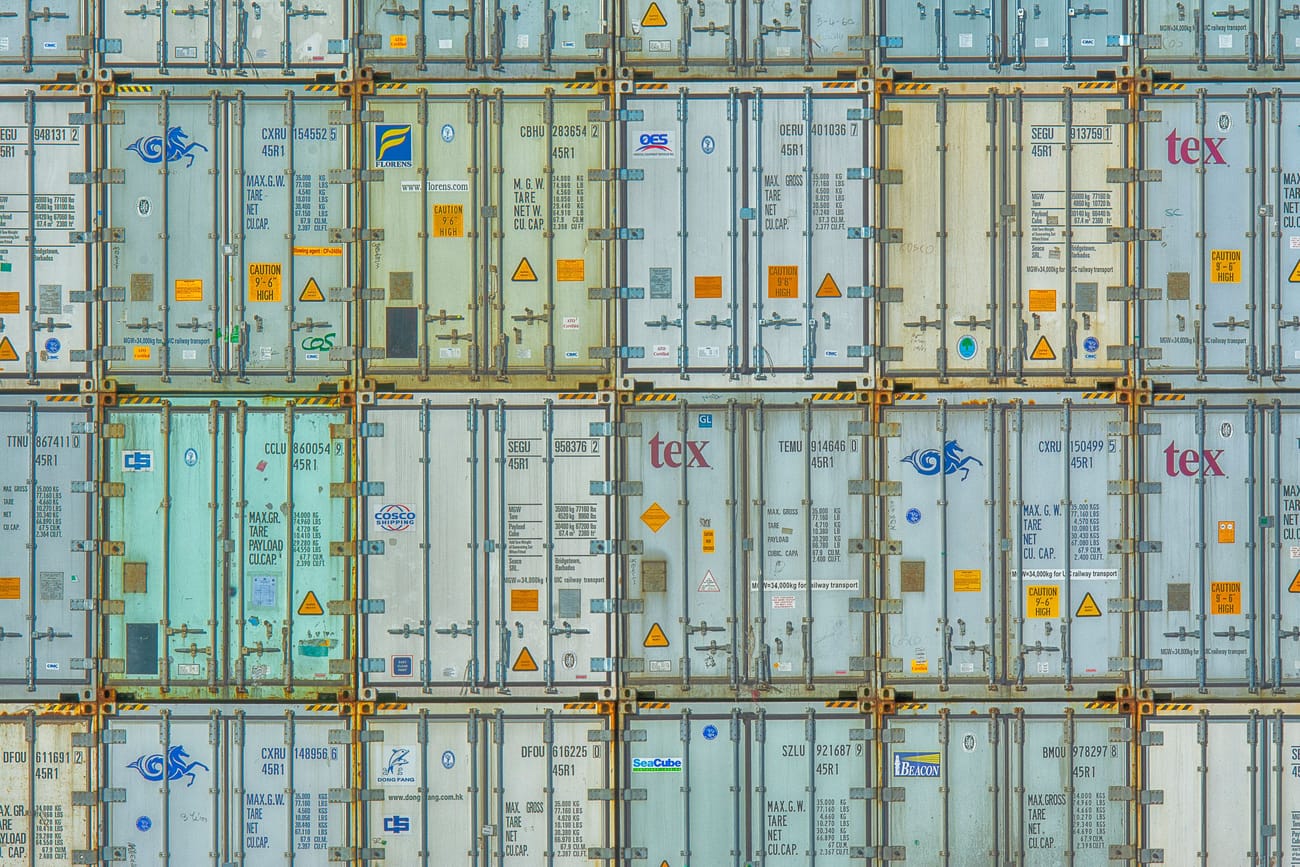

At the Van Heusden depot on the edge of the Waalhaven, the stacks of empty containers now reach eight high, the most the yard's reach stackers can safely lift. The yard was built for 4,000 boxes. Last week it held 6,300, and the gate clerk was sending away hauliers who arrived with more.
"Eighteen months ago I had customers sleeping in their cabs to get one box out of here," said Pieter van Heusden, whose family has run the depot for three generations. "Now the lines ring me to ask if I have room to take more."
Too many boxes
The shortage of 2021 was never a shortage of steel. It was a shortage of boxes in the right place: containers stuck on ships waiting outside congested ports, on chassis at inland warehouses, in yards nobody had time to clear. Manufacturers answered it the only way they could. They built more. By the count of Leeward Equipment, a container broker in Hamburg, factories turned out enough new boxes in 2021 to add roughly a sixth to the world's fleet.
Now the congestion has cleared, ships run closer to schedule and boxes come home faster. Faster turns mean each container makes more trips a year, and a fleet sized for gridlock is too large for water that moves.
What our depot survey found
This month Break asked 28 empty-container depots in the Netherlands, Belgium and northern Germany how full they were. The answers were close to unanimous.
- 21 of the 28 depots were above their planned capacity.
- Nine had added a congestion surcharge to the usual storage fee.
- The median empty box sat for 23 days before collection, up from nine in the spring.
Brokers who deal with depots on the American west coast describe a similar picture, though we did not survey them.
What an empty box is worth
At the height of the squeeze a new 40-foot container from a factory in China changed hands for about $6,000, according to Leeward's price sheets. Its latest sheet quotes under $3,000, and the broker says few buyers are asking. Leasing companies, which own around half the world's boxes by Leeward's estimate, have cut the daily rates they charge carriers and are offering to take equipment back early rather than pay for storage.
A container is a steel box that costs money every day it is not full. For two years nobody had to think about that.
Anja Brecht, a fleet manager at Castellan Box Leasing, said her company was now paying depots to hold boxes it had fought to buy a year earlier. "We are shipping empties back to Asia at a loss, because that is where the exports start," she said. "Some of them will go on a ship that is half empty anyway."
The factories go quiet
The container plants have already reacted. Two of the larger factories in southern China have stopped their second production lines, Leeward says, and at least one has told workers the lines will stay closed until spring. Scrap buyers are circling the oldest equipment: a 15-year-old box with rusted doors is now worth more as steel than as a lease.
A winter of stacking
Depot operators expect the stacks to keep growing through the winter, when exports from Europe are seasonally thin. Mr van Heusden has rented the field behind his yard and is waiting for a permit to pave it. Two of his reach stackers are booked for overhaul in December, and he has postponed both.
"Everybody in this business remembers the shortage," he said. "Nobody wanted to remember that the last glut lasted three years."





Discussion