
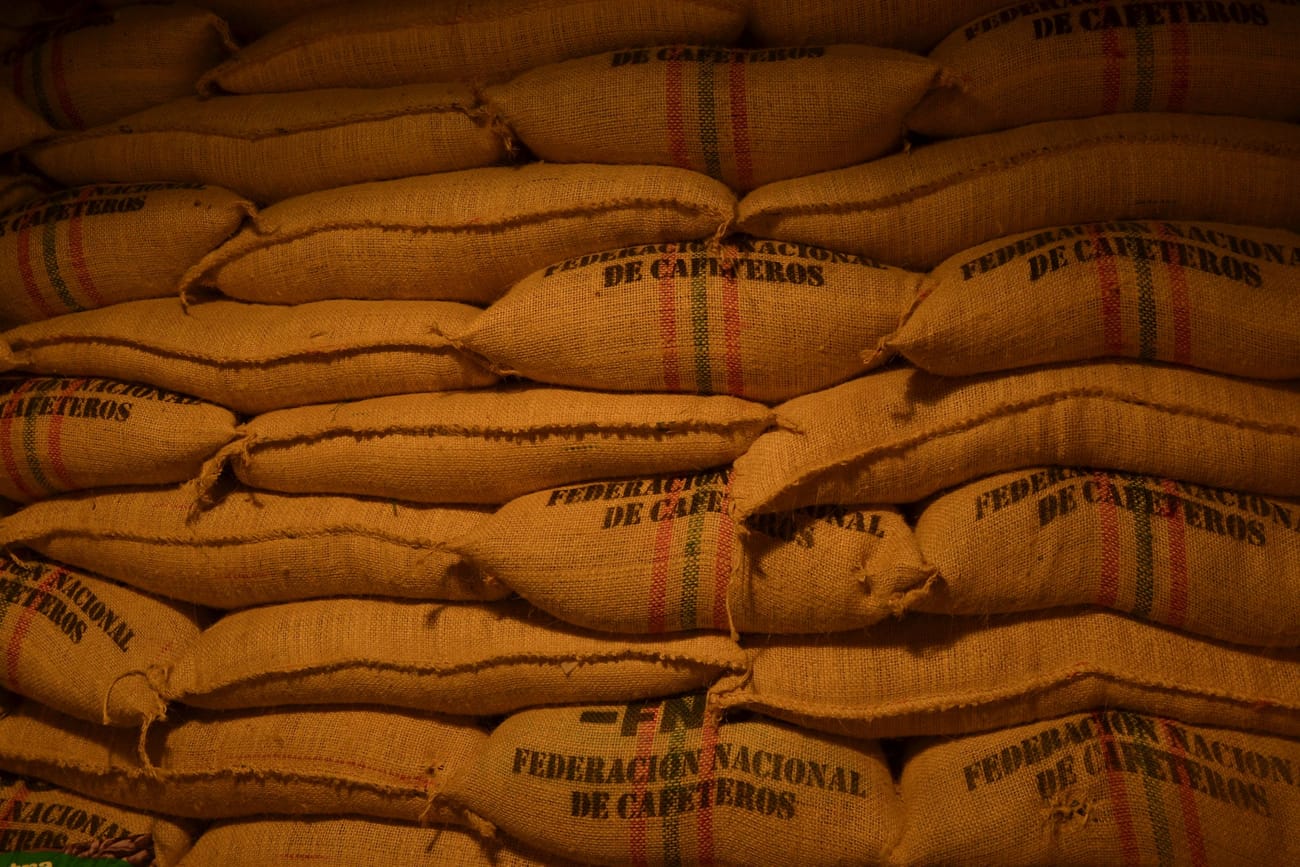

The sacks in bay seven at Scheldekade Warehousing hold about 64 kilograms of cocoa beans each, and there are 1,600 of them, stacked eight high on wooden pallets under sodium lamps. Nobody is allowed to touch them until a grader has cut open a sample of 300 beans and counted the ones that are mouldy, slaty or eaten by insects. Only then does the cocoa become something a trader can sell on a screen.
That piece of paper, a warehouse receipt certifying a lot of graded cocoa, has become one of the more powerful instruments in the soft-commodities market. Whoever holds enough of them, or controls how quickly new ones are issued, can move a futures price that chocolate makers around the world use to set their costs.
A receipt for ten tonnes
A futures contract for cocoa on the Antwerp Softs Exchange covers ten tonnes. When a contract reaches its delivery month, the seller can settle it by handing over a warehouse receipt for a lot of that size sitting in a licensed warehouse. The buyer who takes the receipt owns the beans without ever seeing them. Most contracts are closed out before that point, but the possibility of delivery keeps the futures price tied to physical cocoa.
The number of receipts outstanding, reported daily as certified stock, is watched closely. When it falls, traders read it as a sign that usable cocoa is scarce, and prices for the nearest months tend to rise faster than the rest.
The grading queue
Only graded cocoa counts. At Scheldekade, the queue for grading has stretched to seven weeks this season, up from ten days two years ago. The warehouse employs four graders, each able to process around a dozen lots a day when nothing goes wrong. A new arrival that fails on moisture has to be dried and resampled, which sends it back to the end of the line.
Marieke Janssens, who has run the grading room for fourteen years, works at a steel table with a guillotine that slices beans lengthways. She spreads the halves on a board in rows of fifty. "People think the price is decided in a trading room," she said, holding up a bean with a grey, slate-coloured interior. "Some days it is decided on this board."
Holding the paper
The queue creates an opening. A trader who already holds a large share of the certified receipts has the market's usable cocoa in hand, while everyone else waits for grading. Brokers told us of at least two occasions in the past year when a single holder controlled more than half the certified stock in the delivery month.
That holder can demand a higher price from a short seller who has to deliver and cannot get fresh beans graded in time. Tomasz Wierzbicki, a softs broker at Harlow Cairn in London, called it "cornering by clipboard". No rule is broken. The receipts are simply worth more when there are fewer of them and new ones are slow to come.
Nobody needs to hide cocoa any more. They only need to own the paper while the queue is long.
That was Wierzbicki again, on the phone from a trading floor he described as "quieter than people imagine and much more stressed".
Stocks move the screen
The effect shows up in the spread between the nearest futures month and the one after. In a normal market the later month costs more, reflecting storage and financing. This season the nearest month has traded at a premium for most of the spring, a pattern known as backwardation that usually signals a shortage of deliverable material. When Scheldekade reported a jump in graded lots last week, the premium narrowed by a quarter within an hour.
The warehouse keeps count
Warehouse operators say they cannot grade faster without cutting corners on the sample. Scheldekade has hired a fifth grader, who will need three months of supervised work before she can sign a certificate. It is also testing a camera system that photographs each cut bean and flags defects for a human to confirm. Janssens is not against it. "The machine can count," she said. "It cannot smell a bean that has been near diesel."
For now, the queue in bay seven is as long as it was, and the cocoa sits in its jute sacks under the lamps, waiting for someone with a guillotine to make it tradeable. More on the rules behind it on the Trade desk.





Discussion