
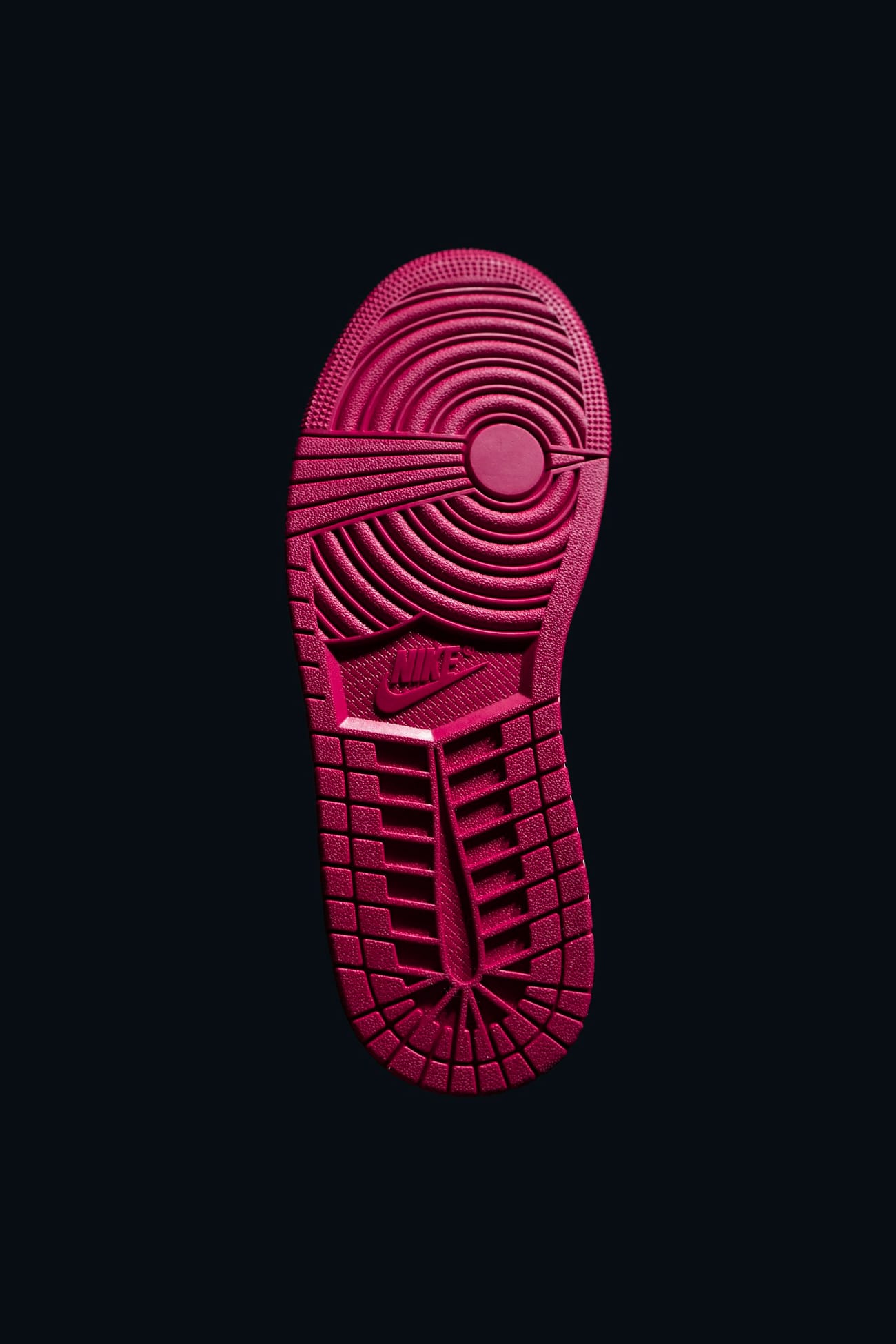

Turn over a cheap pair of canvas sneakers and you may find a thin layer of fabric glued across the rubber sole. It wears off in a week. It was never meant to last, only to get the shoe through customs. In this episode of our trade desk's audio series, Leila Farahani talks to a customs lawyer and a former footwear buyer about tariff engineering: designing a product around the line it will be taxed under.
Press play in the player above for the full 24-minute episode. Below is a short guide to what we cover, with the key passages.
The felt story
Every customs course seems to tell some version of it. As the industry lore goes, footwear duties in many tariff schedules depend on what the outer sole is made of, and a rubber-soled canvas shoe can carry a much higher rate than a shoe whose sole is mostly textile. So some manufacturers, the story says, began gluing a fuzzy layer to the bottom of the sole, just enough to cover most of the surface that touches the ground.
"It is the one example every trade lawyer knows, which is why I suspect half the versions are embellished," said Odile Marchetti, a trade counsel in Geneva and our first guest. "But the mechanics are real. The rate depends on a physical fact, and physical facts can be designed."
How classification works
Every product that crosses a border gets a code from a shared nomenclature used by most of the world's customs services: six digits at the international level, more at the national one. The code decides the duty rate. Classification follows written rules, starting with the heading texts, then the section and chapter notes, then a short set of general rules for mixed or unfinished goods.
Tariff engineering works inside those rules. It is legal as long as the change is real, which means the felt has to be on the shoe when the shoe arrives. The line is crossed at misdescription: declaring a feature that is not there, or one that exists only on the sample.
Toys and dolls
Our second guest, Declan Moyo, spent eleven years buying footwear and toys for a European retail chain before he moved into consulting. He tells the other classic of the genre. Some tariff schedules have taxed dolls, meaning figures that represent human beings, differently from other toys. That created an incentive to argue that a figure with claws, a tail or green skin was not a representation of a human at all.
"You end up in a room with lawyers arguing about whether a mutant is a person," Moyo said. "I have been in that room. It was not the strangest meeting of my career."
What it costs
Engineering has a price. The felt adds a few cents to each pair and a step to the production line. A redesigned toy may need new moulds. And the answer can change: a customs authority can reclassify a product on audit, and the importer then owes the difference on every entry still open.
Marchetti tells clients to ask for a binding ruling before they change the design, not after. "If you are going to build a shoe around a tariff line, get the tariff line in writing," she said.
In this episode
- 02:10 Why the sole decides the duty
- 07:45 The six-digit code and who maintains it
- 12:30 Mutants, dolls and the definition of a person
- 18:05 Binding rulings and the audit risk
- 21:40 What tariff engineering tells the people who write tariffs
Origin rules shape products in much the same way. Read How a Bicycle Gets Its Nationality for the version with a welding hall in it.





Discussion