
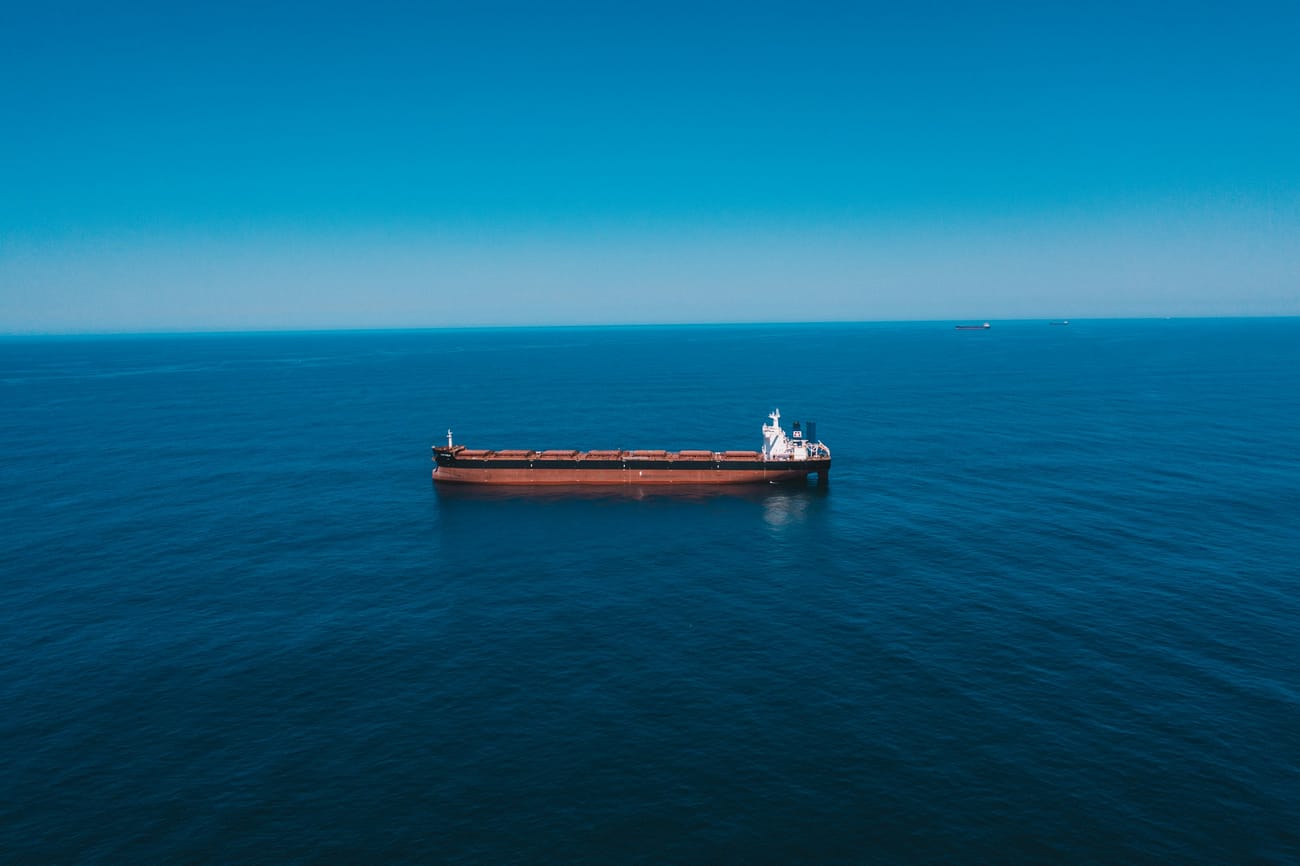

A year ago this month the data desk switched on the Tanker Map, a live map of every crude and LNG tanker we could follow by its position broadcasts. It now tracks about 7,400 ships. We have written 31 stories from it and corrected two, and we have learned more about the gaps in the data than about any single cargo.
How the map works
Every large ship carries an AIS transponder that broadcasts its position, speed and heading every few seconds, along with details the crew types in by hand, such as destination and draught. We buy these broadcasts from two commercial providers: receivers on land cover coastal waters, satellites cover the open ocean. Our code sorts the ships by type, joins each track to port calls, and draws the result every ten minutes.
Ships go quiet
We expected some silence. We did not expect this much. On an average day about 5% of the tankers we follow send no position for more than twelve hours. Most of that is mundane: patchy satellite coverage in the middle of oceans, a faulty transponder, a busy anchorage where signals collide.
A smaller share is not mundane. The same stretches of water go quiet day after day, and some ships fall silent near one port and reappear a week later near another, deeper in the water. We now map the silences themselves and publish them alongside the ships.
Two dots that meet
When two tankers sit within 200 metres of each other for more than six hours outside a port, the map flags a possible ship-to-ship transfer. It has flagged about 1,900 in a year. Most are routine lightering, where a large tanker hands part of its cargo to a smaller one that can enter a shallow port. A few dozen were not, and several became stories.
The pattern that gave them away was rarely the meeting itself. It was what came before and after: a ship that went grey on the way in, a draught that did not change although the cargo clearly had, a destination field that switched between three ports in a day. We learned to read the whole track, not the moment.
Slow is a signal
The most useful thing we learned was the value of boredom. When the price of oil for later delivery rises above the price for now, traders can make money by keeping crude at sea, and tankers slow down. Over the year the average speed of laden crude carriers on our map fell by almost a knot in the weeks before storage became profitable.
"The ships knew before the spreadsheets did," said Hana Mori, a freight analyst at Seaboard Analytics in Singapore who uses the map in her own work.
Our worst morning
In the autumn a crude tanker appeared on the map steaming at twelve knots across the runways of an airport. The track was spoofed: someone had fed false positions into the system. A separate spoofed track, over water, looked plausible, and we came within an hour of publishing a story on it. Since then no story leaves the desk on AIS alone. We need a second, independent sign: a satellite image, a port record or a person who saw the ship.
Year two
We are adding chemical tankers and the small bunker barges that fuel ships in port, and we will publish a monthly report on the silences. Readers have sent us more than 400 questions about individual ships. We answer the ones we can check.





Discussion